

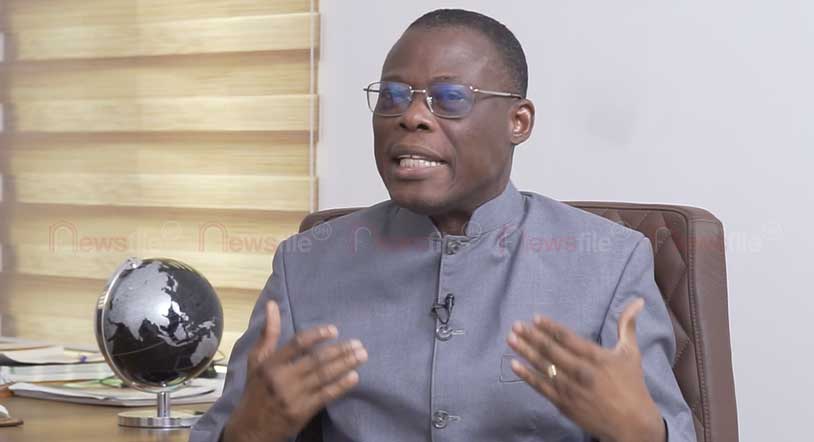
The General Secretary of the National Democratic Congress (NDC), Fifi Fiavi Kwetey, says Ghana’s 24‑Hour Economy initiative cannot be rolled out “overnight” and requires strong structural foundations before full implementation.
Speaking in an exclusive interview on TV3’s Hot Issues with Keminni Amanor, Mr Kwetey said the government is putting in place legal and economic frameworks to ensure the policy delivers lasting results.
“It’s not something that you can simply just do overnight. You need to make sure the foundations are in place,” he explained. “All the people who need to come along must have guarantees, especially about taxes.”
Mr Kwetey confirmed that the 24‑Hour Economy Bill has been approved by Cabinet and is currently before Parliament. Once passed, government will begin rolling out the policy, which aims to enhance productivity by encouraging public and private institutions to operate beyond the traditional eight‑hour work cycle.
He revealed that Cabinet member Goosie Tano has led discussions on the policy’s next steps, including incentives such as tax exemptions and power tariff arrangements to support industries willing to operate around the clock.
“We have made guarantees regarding power, the tariff system that will give people an incentive to want to run much longer than they normally would,” he said. “Some institutions that do not need tax incentives have already started.”
Addressing concerns about the creation of a 24‑Hour Economy Authority, Mr Kwetey clarified that while certain public bodies like the DVLA or Ghana Publishing Company can easily move to a 24‑hour schedule, private‑sector participation requires economic assurances.
“This thing is an economic thing; it is not a political thing,” he noted. “You are looking at ways to produce more, employ more, and pay more taxes, it’s not something you can simply do by ordering institutions to run 24 hours.”
On anti‑corruption efforts, Mr Kwetey responded to questions about Ghana’s latest Transparency International index, which remains at 43. He said the current government has eliminated the “massive scandals” that defined previous administrations and set a higher moral standard.
“The conduct of the President and appointees has clearly improved,” he said. “It takes time, but gradually that leadership discipline will translate across all institutions.”