
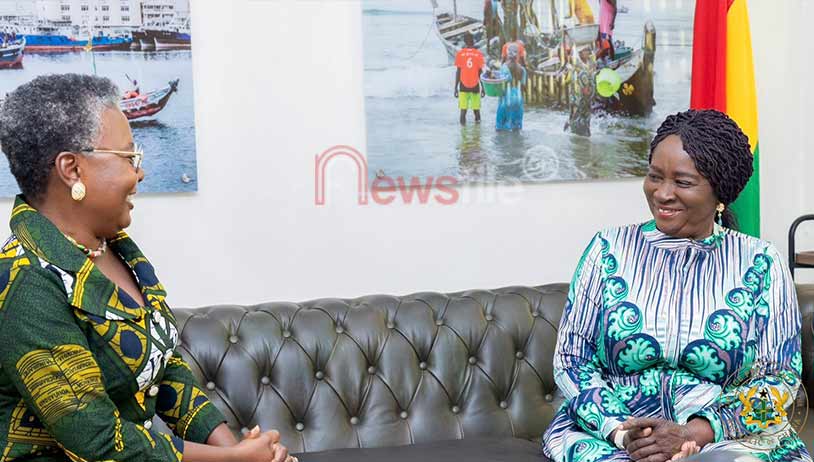
Vice-President Prof Jane Naana Opoku-Agyemang has underscored the government’s commitment to building a sustainable and coordinated fisheries sector following a working visit to the Ministry of Fisheries and Aquaculture Development in Accra.
The visit, she said, formed part of her ongoing engagements with ministries to better understand their operational realities, support their work and strengthen collaboration across government. The ministry is headed by Emelia Arthur.
During the engagement, officials outlined the work of the ministry’s two core agencies, the Fisheries Commission and the National Premix Fuel Secretariat as well as plans to establish a dedicated Blue Economy Commission. Prof Opoku-Agyemang said the proposed reforms reflected a clear commitment to a more integrated and sustainable management of Ghana’s fisheries and aquatic resources.

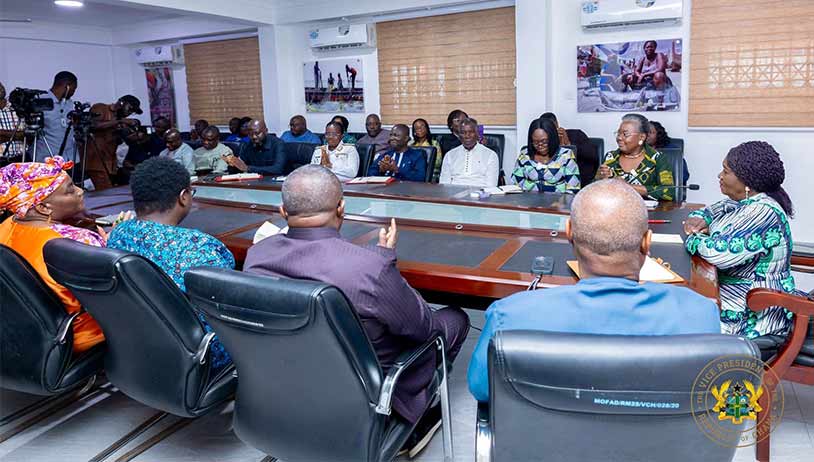
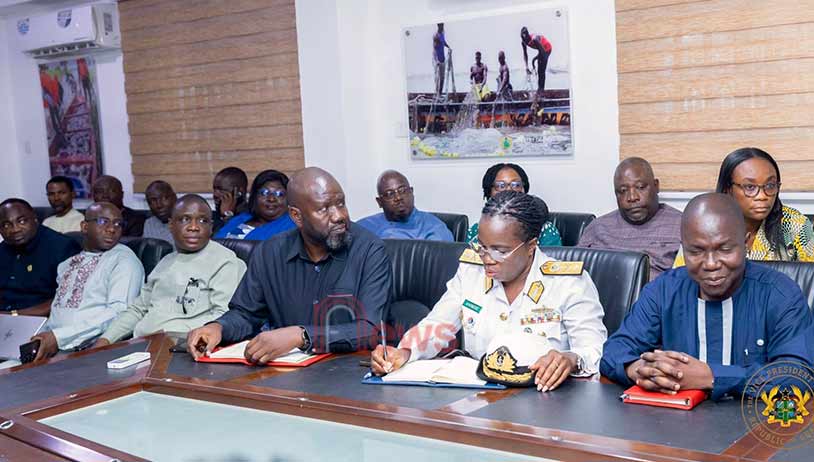
She noted significant progress in the sector, including the passage of a new Fisheries and Aquaculture Act, expanded aquaculture production targets and strengthened enforcement against Illegal, Unreported and Unregulated fishing through increased patrols and vessel suspensions. She also highlighted the establishment of Ghana’s first Marine Protected Area, describing the measures as critical to restoring fish stocks, addressing the European Union’s “yellow card” and securing long-term growth.
The Vice-President stressed the importance of recognising and integrating the indigenous knowledge of fisherfolk, fishmongers and coastal communities into policy-making. She said innovation ranging from aquaculture to laboratory breeding and restocking, must be guided by local experience and research.
Drawing on her own background from a fishing community, Prof Opoku-Agyemang said there was “wealth in the water” that must be harnessed responsibly, with dignity and improved livelihoods for those who depend on the sector.
She also called for greater value addition across the fisheries value chain, stronger action against environmental threats such as galamsey, plastic pollution and toxic waste, and a shift in negative perceptions about fishing. The establishment of the Fisheries College at Anomabo, she said, was a key step towards professionalising the sector.
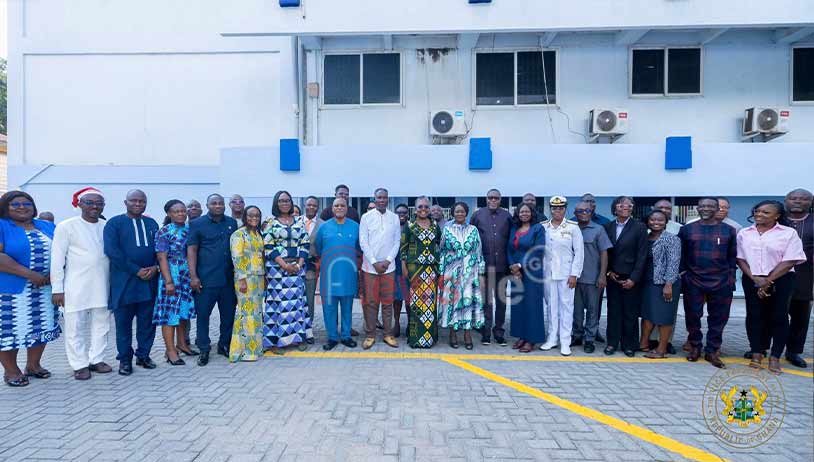
Prof Opoku-Agyemang commended the ministry’s leadership and urged sustained teamwork to build a lasting legacy of sustainability.