
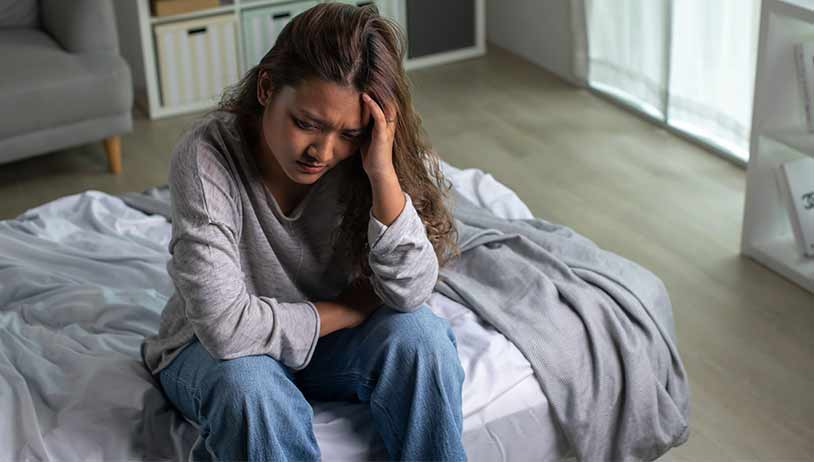
Feeling sad from time to time is a normal part of life. But when sadness lingers for weeks, disrupts daily routines and begins to affect sleep, work, relationships and self-worth, it may signal depression. Health experts note that depression can look different in women than in men, making it easier to miss or dismiss early warning signs.
Women are nearly twice as likely as men to experience depression, according to research, due to a mix of biological, hormonal, social and environmental factors. Recognising the subtle signs is often the first step toward seeking help and beginning effective treatment.
Here are five commonly overlooked signs of depression in women.
Persistent fatigue and sleep problems
Chronic tiredness is one of the most common but least recognised symptoms. Women with depression may feel exhausted despite sleeping for long hours, or struggle with insomnia and restless nights. Depression affects brain chemicals linked to mood and energy, creating a cycle of fatigue that rest alone cannot fix.
Anxiety and constant tension
Depression in women often overlaps with anxiety. Excessive worry, racing thoughts, restlessness and feelings of dread may dominate daily life. Physical symptoms such as a rapid heartbeat, sweating or muscle tension can also appear, masking depression behind what seems like “just stress”.
Unexplained physical pain
Depression does not only affect emotions. Many women experience headaches, stomach problems, cramps or general body aches without a clear medical cause. These physical symptoms are real and can be linked to how depression alters pain perception and stress responses.
Loss of interest and social withdrawal
A gradual loss of interest in activities once enjoyed is a key sign. Women may stop engaging in hobbies, avoid social gatherings or withdraw from friends and family. Social interaction can feel overwhelming, leading to isolation that further deepens depressive symptoms.
Feelings of worthlessness or excessive guilt
Persistent negative self-talk, intense guilt over small mistakes, and feelings of hopelessness about the future are strong warning signs. Some women may blame themselves excessively or feel they are a burden to others, even when there is no objective reason.
Why women are at higher risk
Hormonal changes linked to puberty, pregnancy, postpartum periods and menopause can increase vulnerability. Social pressures, caregiving roles, workplace stress, and higher exposure to sexual harassment or abuse also contribute. Single mothers and women juggling work and family responsibilities face particularly high stress levels.
Treatment and support
Depression is treatable. Health professionals often recommend psychotherapy, medication, or a combination of both. Lifestyle changes, such as regular exercise, healthy eating, adequate sleep and strong social support can also ease symptoms but should not replace professional care.
Anyone experiencing these signs for more than two weeks is encouraged to seek help. Early recognition can prevent symptoms from worsening and help women regain control of their lives.
Depression does not define a person. With the right support and treatment, recovery and fulfilment are possible.
Credit: Sarah Barkley