
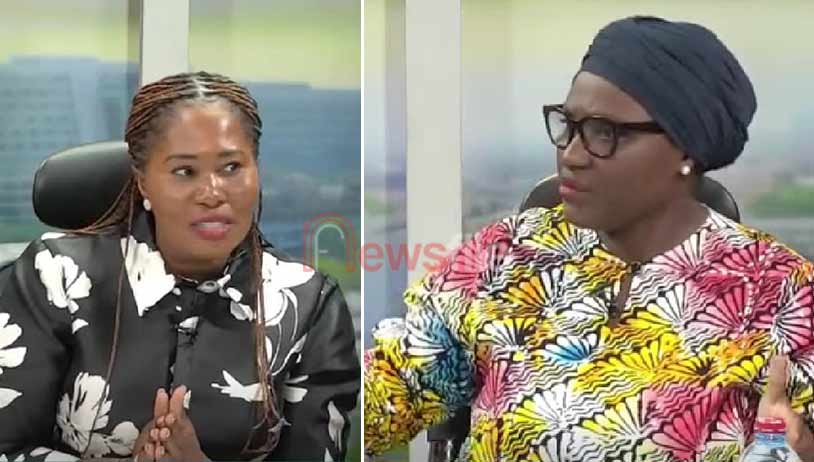
Sharp exchanges over Ghana’s recent economic performance dominated a roundtable discussion on Metro TV’s Good Morning Ghana, as representatives of the governing National Democratic Congress (NDC) and the opposition New Patriotic Party (NPP) clashed over currency appreciation, living costs and sustainability.
Beatrice Annangfio, a member of the NDC communication team, cautioned against comparisons between 2025 and 2017, arguing that the economic contexts were fundamentally different. She said the cedi’s recent performance marked an unprecedented turnaround, insisting it should be described as an appreciation rather than mere stabilisation.
“In the Fourth Republic, the cedi has never appreciated like this,” Annangfio said, citing a cumulative appreciation of about 40.7 per cent against major currencies. She argued that describing the trend as simple stabilisation understated what she called a “no mean achievement”, especially given Ghana’s economic structure.
Host Moro Awudu acknowledged that the currency had both appreciated and stabilised, but Beatrice maintained that appreciation came first and should be recognised as such. She pointed to tangible benefits, including lower fuel prices, reduced building material costs and declining Hajj fares, saying these reflected real gains for households and businesses.
Beatrice rejected claims that macroeconomic improvements were not being felt by ordinary Ghanaians, citing falling prices of rice and iron rods and improved planning certainty for businesses. She said the government had avoided triumphalism, stressing that President John Mahama had consistently highlighted sustainability over celebration.
She also contrasted the current administration with the past, saying allegations of corruption and abuse of office that marked earlier years had not resurfaced. “This is not 2017,” she said, adding that Ghana had moved from debt distress to paying Eurobond interest ahead of schedule.
Responding for the NPP, Lawuratu Musah-Saaka said the debate should focus on sustainability and long-term impact rather than first-year enthusiasm. She argued that while currency appreciation could lower prices for imported goods, the key question was whether the gains were filtering down to everyday essentials such as rent, water and electricity.
“Yes, importers and those building will feel it,” Lawuratu said. “But what about the person who doesn’t buy iron rods and is worried about rent and basic utilities?”
She warned against selective comparisons and said economic assessments should compare like-for-like periods. Lawuratu noted that the NPP had also overseen strong growth in its first year in office in 2017 and reminded viewers that both administrations took power under International Monetary Fund programmes.
Lawuratu acknowledged improvements but questioned how durable they would be without the fiscal measures introduced by the previous government. She insisted that no Ghanaian wished the current administration ill, stressing that economic success benefited everyone.
Throughout the discussion, Moro steered the exchange back to the central issue of whether macroeconomic gains were translating into broad-based improvements in living standards. While both sides agreed that progress had been made, they remained divided on how far the benefits had spread and whether the current trajectory could be sustained.
The debate underscored the broader national conversation: whether Ghana’s recent economic gains represent a lasting turnaround or an early rebound whose true test lies ahead.