
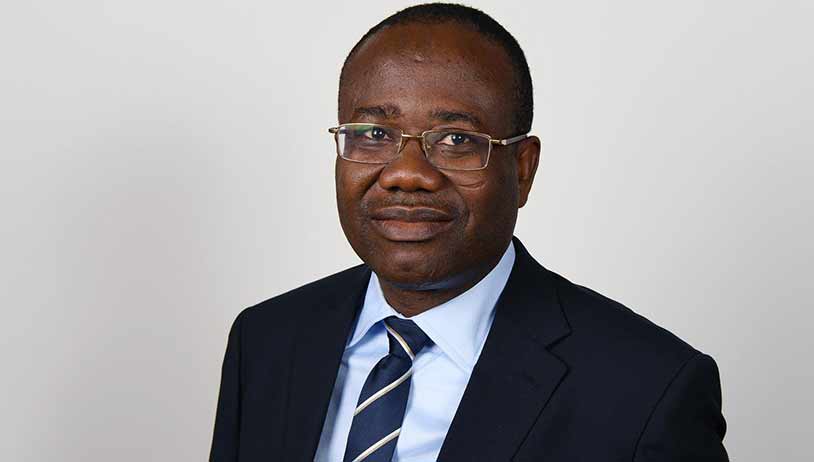
Former Ghana Football Association (GFA) President Kwesi Nyantakyi has shared his thoughts on the state of Ghanaian football, the Black Stars’ qualification for the 2026 FIFA World Cup, and the challenges of managing high-profile players in an exclusive interview.
Nyantakyi hailed the Black Stars’ qualification as a major achievement for the nation, calling the World Cup “the biggest gathering of human beings anywhere in the world,” attracting over three billion television viewers globally. “Football has a big influence on the youth and even older people,” he said. “Ghana football did well by qualifying, and we need to support our Premier League, youth football, refereeing, coaching, and other areas to help our country return to its glory.”
When asked about defender Salisu’s reported injury, Nyantakyi emphasised that recovery timelines can vary. Drawing on past experiences, he cited Asamoah Gyan’s rapid rehabilitation in 2015, aided by unconventional treatments alongside medical care. “Even if a player recovers fully, they may still need rehabilitation,” he said, underscoring the importance of patient management and medical support for top athletes.
Nyantakyi also addressed calls to bring diaspora players such as Eddy Nketiah and Callum Hudson-Odoi into the Black Stars squad. “The Black Stars are open to every Ghanaian eligible to play,” he said. “If someone lives in Iceland and can help us win games, give him the chance. Emotions and sentiment should not cloud decisions. Ghana is known for excellence, and we should welcome anyone who can compete and earn their place legally.”
On managing difficult players, Nyantakyi drew on his experiences with high-profile talents like Kevin-Prince Boateng. He stressed that discipline issues are natural and that management’s role is to extract optimal performance. “Even in a workplace, not everyone is perfectly disciplined, but management focuses on results,” he explained. He recounted allowing Boateng to bring his personal physiotherapist to the team following multiple surgeries, while establishing clear guidelines to ensure integration with the national team medical staff.
“Human beings are naturally undisciplined to a degree,” Nyantakyi added. “If society were fully disciplined, we wouldn’t need laws or police. The key is to manage people correctly and get the best out of them.”
Reflecting on his broader football philosophy, Nyantakyi emphasised the need for structured management at all levels. “You have to balance the person apart from God, nobody is perfect. But you can manage people and their talents effectively. Clear rules and guidelines are essential to achieve results while accommodating individual needs.”
Regarding player selection and diaspora inclusion, he reiterated that merit and contribution should outweigh personality or past behaviour. “Some players may have disciplinary problems, but if they can perform and help the team, management should accommodate them carefully. Rules, oversight, and clear expectations can turn potentially disruptive talent into valuable assets.”
Nyantakyi also provided insight into Ghana’s football infrastructure, urging support for youth development, refereeing, and coaching. “We have a lot of good things happening, but we need to support them fully so Ghana football can regain its prominence,” he said.
On player injuries and medical management, he highlighted the importance of tailored care and the variability of recovery. “Some players may defy expected recovery times based on physiology, medical treatment, and sometimes unconventional support,” he said. “Our focus should always be on the player’s full rehabilitation and readiness to contribute.”
Despite his past controversies and departure from football administration, Nyantakyi remains vocal about national football development. He argued that talent management should prioritise results while accommodating human imperfection. “Discipline and rules are important, but flexibility and oversight allow the best to emerge. We must recognise talent, manage risks, and give all eligible players the opportunity to contribute to Ghana’s success.”
Nyantakyi’s reflections highlight the delicate balance required in modern football administration: integrating domestic and international talent, managing high-profile athletes, and ensuring competitive performance at the highest stages. With Ghana preparing for the 2026 World Cup, his insights underscore the challenges and opportunities facing the Black Stars as they aim to make an impact on football’s biggest stage.
He concluded by stressing that Ghanaian football must continue to prioritise excellence, development, and structured management to ensure sustainable success. “Our objective is to get the best from our players, support their growth, and put Ghana in a position to compete effectively on the global stage,” he said, emphasising that talent, discipline, and strategic management must work hand-in-hand to achieve national football ambitions.