
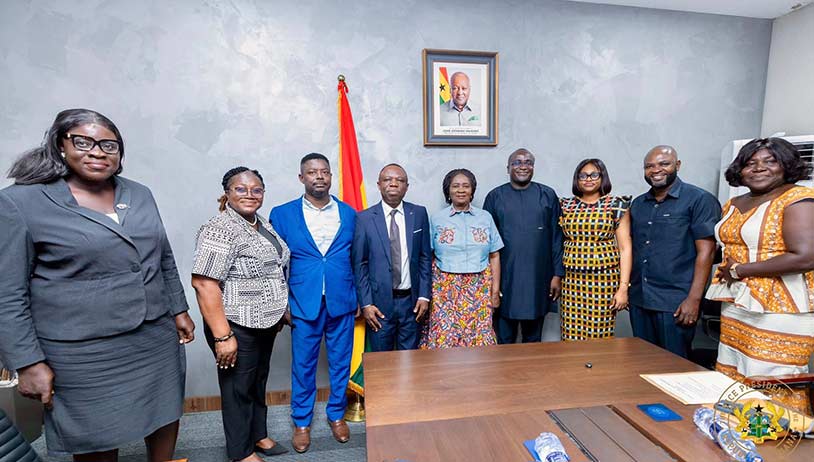
Vice President Prof. Jane Naana Opoku-Agyemang has underscored the government’s commitment to strengthening complementary education as a key pillar of inclusive national development.
In a statement following a meeting at her office with the leadership of the Complementary Education Agency (CEA), led by Acting Executive Director Hon. Daniel Kwasi Ashiamah, the Vice President said discussions focused on enhancing the Agency’s capacity to improve the delivery of complementary education nationwide.
Prof. Opoku-Agyemang acknowledged concerns raised about staffing shortages at the Agency, noting that the gaps continue to affect its ability to sustain and expand its impact across underserved communities. She, however, commended the CEA for its past achievements, describing its results as both innovative and impressive.
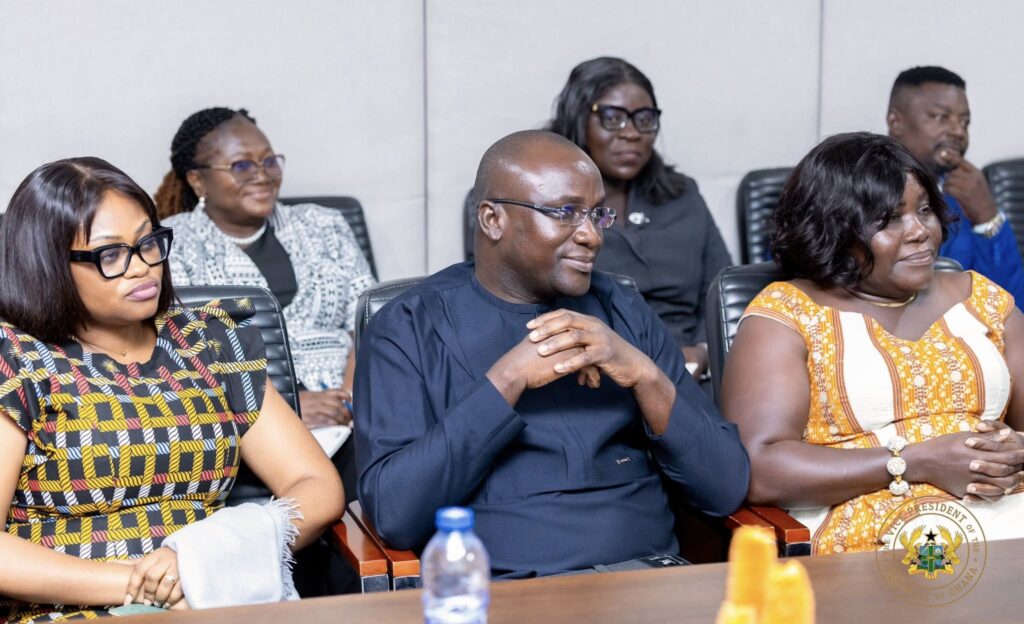
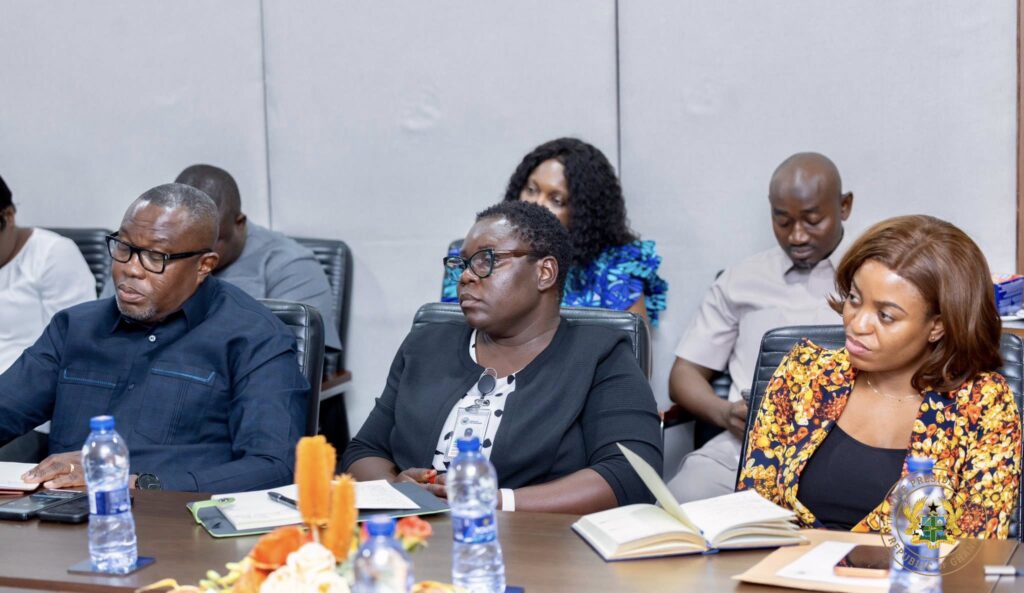
She highlighted a period when learners covered nearly two years’ worth of syllabus content within nine months through instruction delivered in local languages. According to her, the outcome clearly demonstrated the effectiveness of mother-tongue instruction in improving comprehension, confidence and learning outcomes among children who had previously fallen outside the formal education system.
The Vice President further emphasised that skills development should not be limited to traditional classroom settings. She encouraged the Agency to explore stronger partnerships within communities, particularly with craftsmen and skilled professionals who could contribute their time and expertise to support learners through practical, hands-on training.
Prof. Opoku-Agyemang expressed the government’s appreciation for the crucial role played by the Complementary Education Agency in expanding access to education for marginalised children, many of whom would otherwise be left behind.
She assured the Agency’s leadership of the government’s readiness to provide support where necessary, reaffirming its commitment to advancing inclusive education. Prof. Opoku-Agyemang said ensuring that every child has access to learning opportunities remains central to Ghana’s development agenda, adding that national progress must benefit all segments of society.