
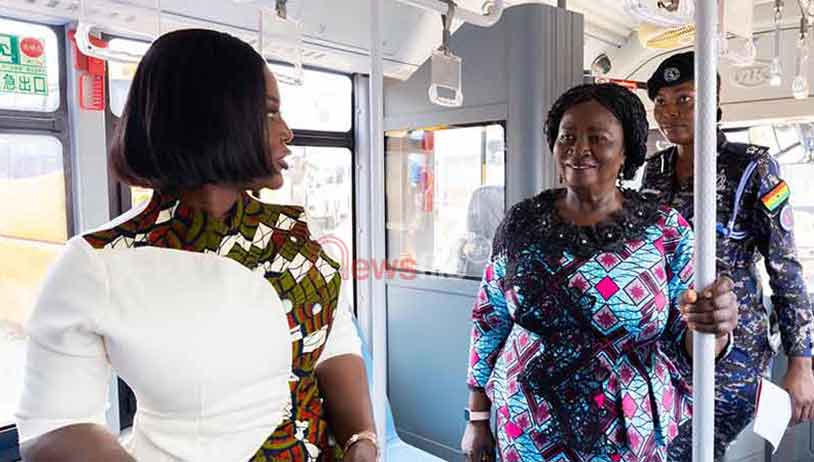
The government has intensified efforts to address recent transportation disruptions by engaging key state-owned transport operators, as part of a broader strategy to deliver sustainable solutions for commuters nationwide.
As part of the engagement, Vice President Prof. Jane Naana Opoku Agyemang visited Metro Mass Transit Ltd. and the Greater Accra Passenger Transport Executive (GAPTE), managers of the Ayalolo bus service, to assess their operational challenges and capacity constraints. The visits formed part of ongoing consultations aimed at restoring efficiency and stability to the public transport sector.
During the engagements, His Excellency President John Dramani Mahama assured both institutions of the government’s readiness to support them with new, high-occupancy vehicles to enhance capacity and strengthen nationwide operations. The support forms part of a wider plan to modernise public transport and meet growing demand driven by population growth and urbanisation.
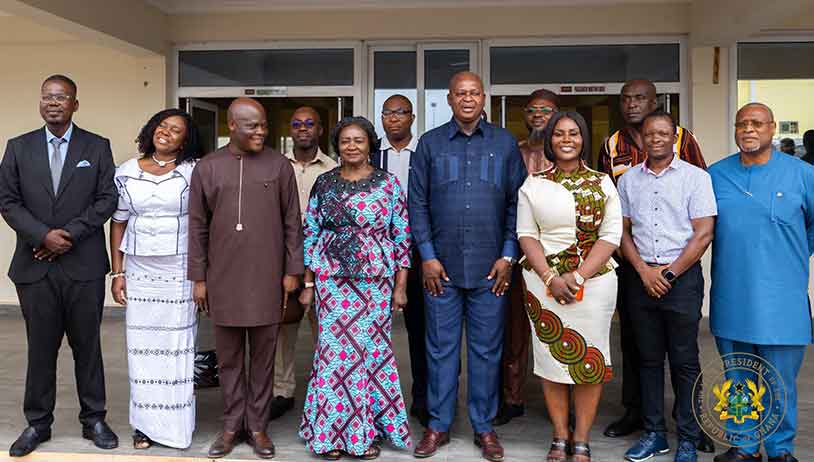
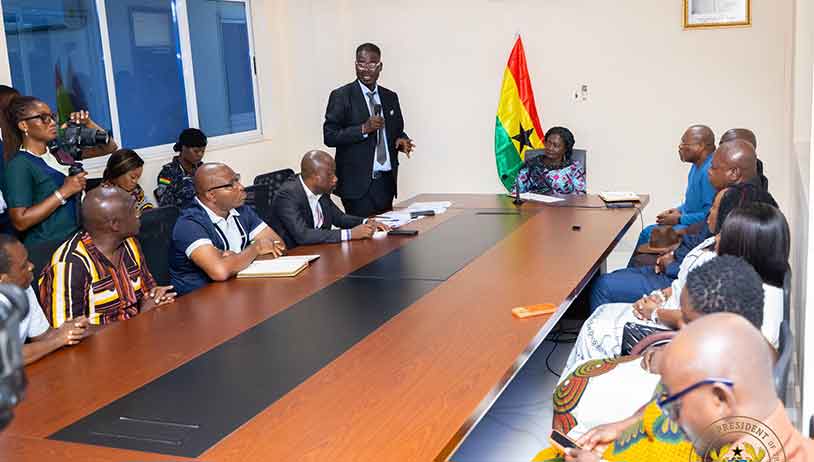
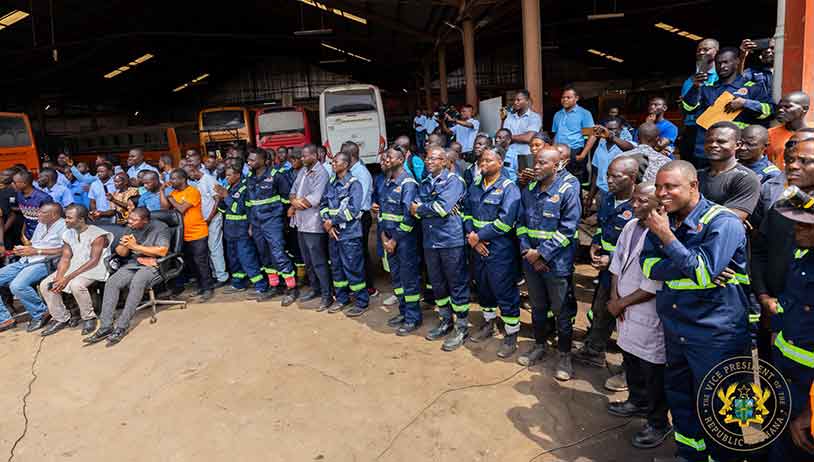
At Metro Mass Transit Ltd., management disclosed that the company is currently operating at about 60 per cent of its total vehicle capacity, with a significant portion of its fleet in critical condition. Metro Mass presently runs approximately 400 buses across the country, a figure described as inadequate given current transport needs. Company officials noted that no major fleet additions had been made in recent years, a situation that has compounded operational pressures. Government representatives assured management that steps would be taken to remove constraints limiting the company’s performance and to restore and expand its fleet for improved service delivery.
Discussions at GAPTE similarly focused on the urgent need for retooling. The Ayalolo initiative was established to strengthen urban mobility, reduce congestion and improve efficiency within cities. GAPTE outlined plans to revamp the Bus Rapid Transit (BRT) system, originally designed to provide reliable and affordable mass transport.
Officials also reported progress in reclaiming key terminals previously lost, a development expected to improve operational efficiency. The Ayalolo service remains a critical option for many working-class commuters, offering fares estimated to be about 20 per cent lower than standard public transport rates.
Government officials reiterated their awareness of the challenges commuters are facing and pledged continued collaboration with both state-owned and private transport providers to expand capacity and ensure safe, dignified and reliable transport services across Ghana.