

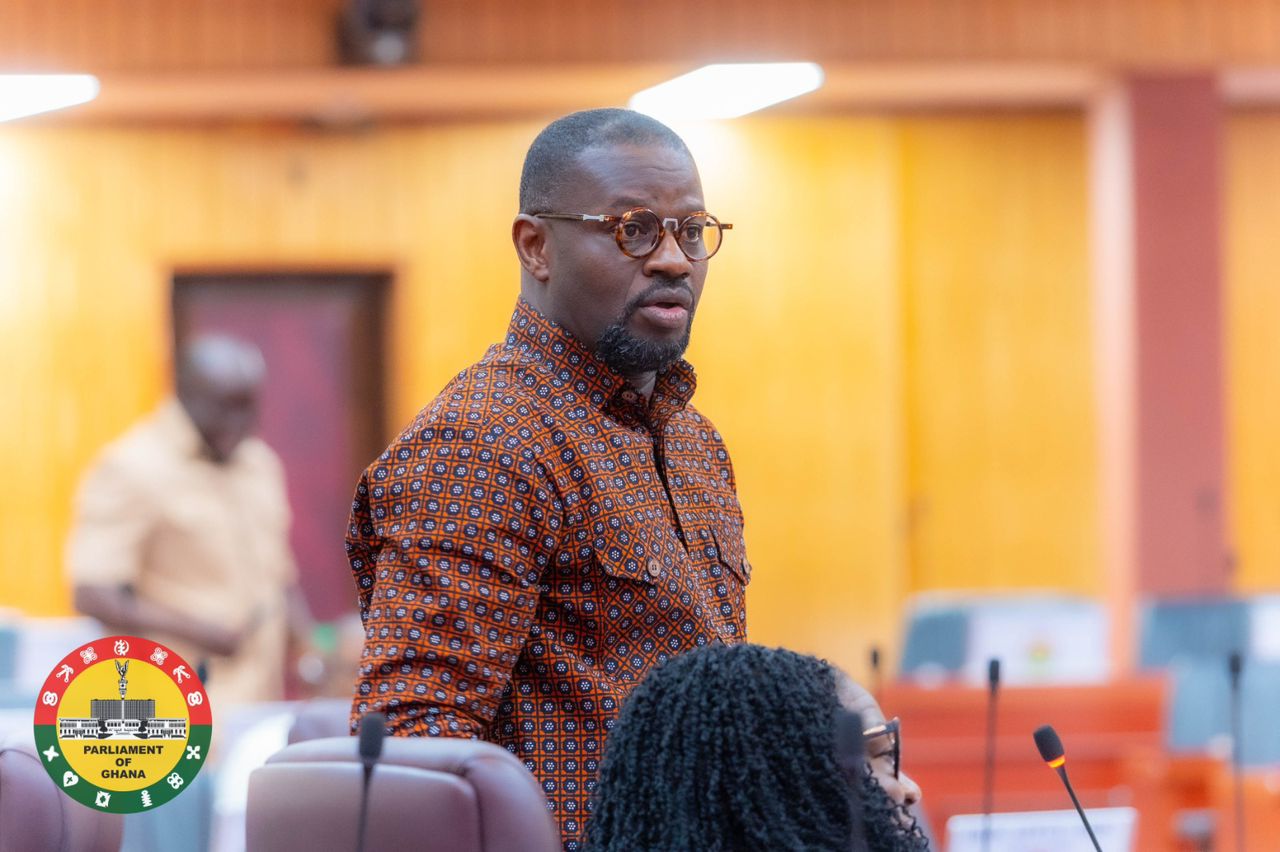
Minority Chief Whip Frank Annoh-Dompreh has claimed to have “exposed” what he described as constitutional inconsistencies and fiscal mismanagement within the NDC administration, following the release of the 2025 DACF Guidelines.
Speaking at a detailed press briefing, he argued that the guidelines conflict directly with the formula approved by Parliament under Article 252 of the 1992 Constitution.
He explained that the parliamentary formula was structured using empirical indicators such as equality components, needs-based factors and service pressure data to ensure equitable distribution among 261 MMDAs.
However, he said the ministerial guidelines introduce fixed national percentages for specific projects that do not appear in the approved formula.
“This is not interpretation; this is substitution,” he asserted, describing the move as constitutionally questionable.
The Minority Chief Whip further highlighted what he termed a “disturbing disparity” between DACF disbursements and releases to other statutory funds.
He maintained that while GETFund and the National Health Insurance Fund have seen substantial transfers, DACF allocations remain plagued by arrears and delayed payments.
“The Constitution does not rank DACF as secondary. It is entrenched, protected and mandatory,” he emphasised.
He also drew attention to the Supreme Court’s 2019 ruling in Benjamin Komla Kpodo & Richard Quashigah v. Attorney-General, which held that DACF allocations cannot be capped below five per cent of total national revenue.
According to him, any deviation from that constitutional threshold constitutes non-compliance.
“We cannot preach decentralisation and practise fiscal centralisation,” he stated.
Annoh-Dompreh concluded by calling for immediate corrective measures, including a binding automatic computation mechanism to guarantee compliance with the constitutional five per cent requirement.
He insisted that the Minority would not relent in its oversight role.
“When executive action drifts beyond constitutional boundaries, it is our duty to expose it. Accountability is not optional; it is the lifeblood of our democracy,” he declared.