

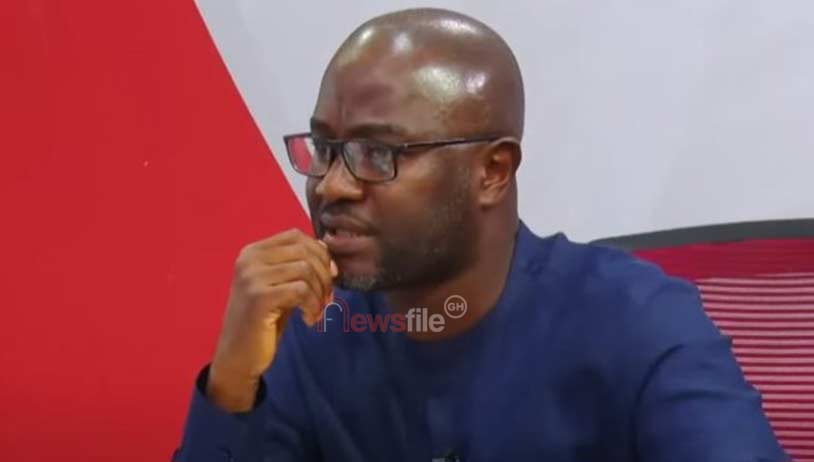
Alhaji Fuseini Issah, former Member of Parliament for Okaikwei North, has called for urgent reforms in Ghana’s public transport sector, emphasising that fare hikes are no longer the sole challenge facing commuters.
Speaking on ongoing transportation issues in Accra, Alhaji Issah noted that while rising fuel prices, exchange rate fluctuations, and the cost of vehicle parts have traditionally justified fare increases, a new challenge has emerged: a scarcity of buses. “It means there is something fundamentally wrong with the environment in which they operate,” he said.
Alhaji Issah highlighted the contrasting performance of public and private transport operators. While the State Transport Corporation (STC) remains a popular choice for safety-conscious passengers, private operators such as VIP buses have demonstrated sustained efficiency and profitability. “If VIP were not efficient and profitable, they would have collapsed long ago. It means there is something they are doing right that others are not,” he said.
According to Alhaji Issah, operational bottlenecks and management inefficiencies continue to plague public operators like Metro Mass, which struggles with teething problems that hinder service delivery. He pointed to instances where buses remain idle due to minor faults, sometimes as a result of bureaucratic or internal interference. “Sometimes the faults are very flimsy or very small, yet somebody is just finding a reason why they should not run the buses,” he explained.
The former MP stressed the need for the government to create an enabling environment for both public and private operators, encouraging participation that would improve efficiency, sustainability, and commuter services. “What should be done going forward is that government should sit back, create the enabling environment, and allow private participation,” he said.
Alhaji Issah’s comments reflect growing public concern over transport reliability in Ghana’s capital, where commuters face daily challenges linked to limited fleet sizes, operational inefficiencies, and rising costs. Experts suggest that addressing these systemic issues through strategic policy reforms and private-sector engagement could improve service delivery, enhance safety, and stabilise fares for commuters.
The call for reform underscores the need for long-term solutions to modernise public transportation in Accra, ensuring that both state and private operators can coexist sustainably in a sector critical to Ghana’s economic and social mobility.