

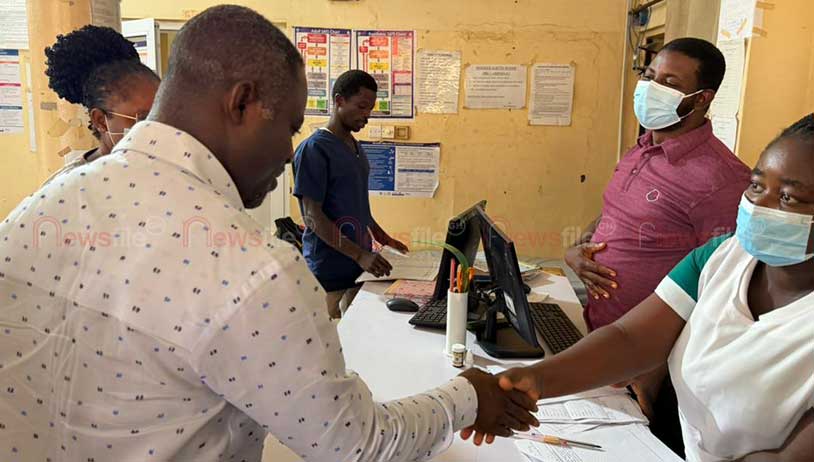
The Minister for Health, Kwabena Mintah Akandoh, has paid a surprise working visit to the Asesewa Government Hospital in Ghana’s Eastern Region, signalling a renewed government push to strengthen healthcare delivery and advance Universal Health Coverage (UHC).
The visit on Saturday, January 31, 2026, was aimed at assessing the hospital’s infrastructure and engaging directly with management and frontline health workers on challenges affecting service delivery in Asesewa and neighbouring communities.
During a tour of the facility, Mr Akandoh pointed to what he described as long-standing infrastructure deficits, noting that some existing facilities were inadequate to meet the area’s growing healthcare demands. “This is an infrastructure gap that has accumulated over the years,” he said, adding that government was committed to addressing the shortcomings while encouraging local management to take immediate steps to improve services.
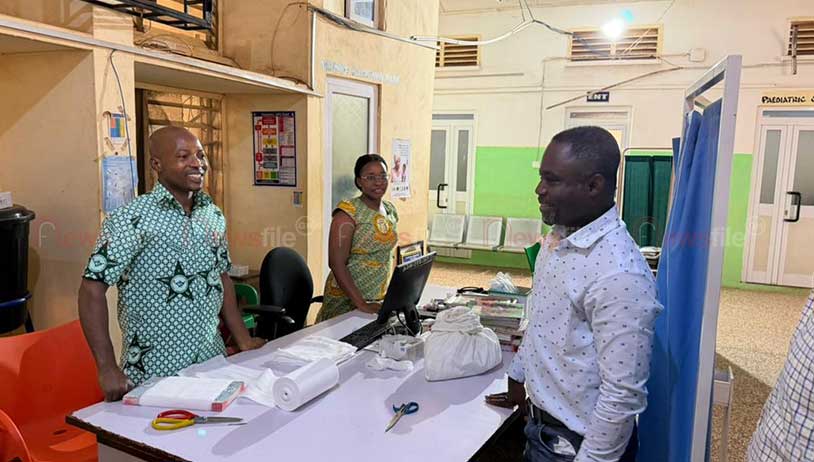
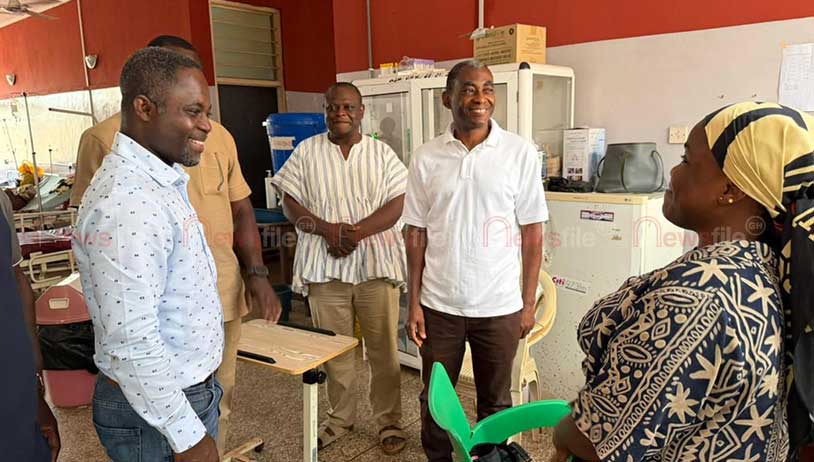
The minister assured the hospital of government support to improve staffing levels, indicating that additional health professionals would be posted to ease workload pressures and enhance patient care. He stressed the need for fair and equitable postings, particularly to hard-to-reach areas, and urged hospital authorities to support staff assigned to such communities.
Mr Akandoh also disclosed plans to embark on a series of regional visits, beginning with the Oti Region, to engage district chief executives, traditional leaders and other stakeholders. The engagements, he said, would focus on ensuring decent accommodation and basic support for medical officers posted to underserved areas.
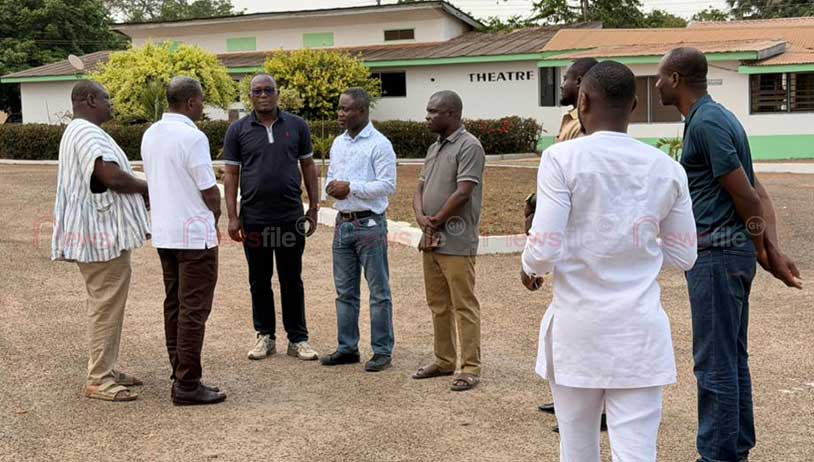
Reaffirming his stance, the minister said postings of medical officers would not be reversed, stressing that equitable distribution of health professionals was essential to improving access to care nationwide.
He reiterated government’s commitment to bridging infrastructure gaps in public health facilities, describing improved infrastructure as central to achieving Universal Health Coverage and strengthening primary healthcare, especially in deprived communities such as Asesewa.