

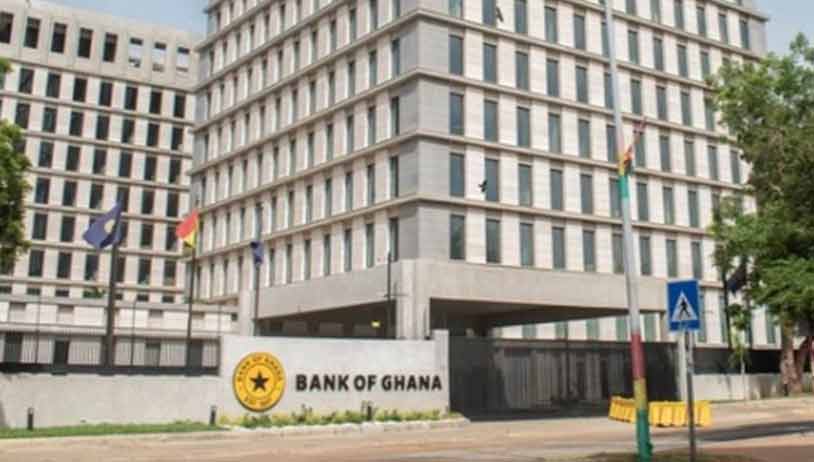
Ghana’s macroeconomic recovery has received a significant boost after the International Monetary Fund (IMF) praised the country’s recent economic performance, describing claims of losses from gold operations as speculative.
Ghana successfully completed the fifth review of its IMF Extended Credit Facility (ECF) programme on December 17, 2025, according to IMF Country Report No. 25/343. The review commended the authorities for strong corrective measures taken after policy reform setbacks in 2024 and noted marked improvements in the overall macroeconomic environment.
The IMF reported that real GDP growth exceeded expectations in 2025, while inflation declined more rapidly than projected and fell within the Bank of Ghana’s target range. International reserves have also continued to rise steadily. Provisional data from the Bank of Ghana (BoG) as of mid-December indicate reserves could exceed US$13 billion by the end of the year, bolstering confidence in the economy.
The review acknowledged risks linked to the Domestic Gold Purchase Programme (DGPP) but placed them within the wider context of the programme’s macroeconomic benefits. The DGPP has supported reserve accumulation, stabilised the cedi and enabled access to foreign exchange without adding to public debt. The Ghana Gold Board (GoldBod), operating as an aggregator, has played a central role in channelling gold from the small-scale mining sector into the formal economy under a public policy framework led by the BoG.
The IMF also highlighted the Bank of Ghana’s new foreign exchange operations framework as a key reform aligned with international best practices. The framework enhances transparency by clarifying intervention triggers, separating reserve accumulation from market intermediation and strengthening confidence in foreign exchange markets. Its effectiveness, the report noted, is closely linked to the stability and efficiency of GoldBod’s operations.
In response to both the benefits and costs of the DGPP, the BoG board has approved reforms aimed at improving pricing and operational efficiency in the programme’s downstream activities. These reforms are scheduled to take effect in January 2026 and are supported by budgetary allocations in the 2026 national budget to fully resource GoldBod. Planned measures include reducing intermediation fees, improving cost efficiency and ensuring competitive but sustainable gold purchasing prices.
The statement also addressed public speculation about losses from gold operations, stressing that such figures remain unverified. The Bank of Ghana is currently undergoing its annual external audit, and audited financial statements for 2025 will be published next year in line with statutory requirements.
Officials said the IMF review underscores Ghana’s improving economic outlook and the importance of sustaining reforms to consolidate recent gains.