

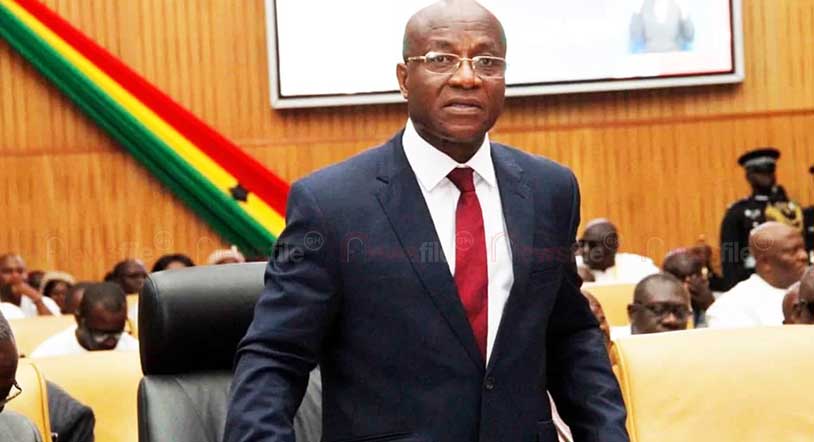
Veteran lawmaker Osei Kyei-Mensah-Bonsu has called for constitutional reforms to require that the Speaker of Parliament of Ghana be a sitting legislator, arguing that the current arrangement risks producing presiding officers disconnected from parliamentary realities.
In an exclusive interview, the former Majority Leader said it was time for Ghana to “do serious introspection” about its legislative structure, noting that the country is unusual on the continent for appointing a Speaker from outside Parliament. He warned that such a system could encourage leadership that is “detached from Parliament” and potentially driven by personal agendas rather than institutional development.
“A few things ought to be set right,” he said, stressing that Speakers who are not Members of Parliament may lack the day-to-day engagement needed to fully understand parliamentary procedure, culture and challenges. According to him, aligning the role with elected membership would strengthen accountability and deepen institutional growth.
Mr Kyei-Mensah-Bonsu revealed that he had already presented the proposal to the Constitutional Review Committee, acknowledging that the existing model may have contributed to stability in earlier years but insisting that evolving democratic demands now require bolder reforms. “The time has arrived,” he said, urging policymakers to consider structural adjustments that would enhance Parliament’s effectiveness and independence.
Addressing suggestions that his stance could affect speculation about his own prospects of becoming Speaker under a future New Patriotic Party administration, he dismissed personal motives. He said institutional development should not be tied to individual ambition.
“The evolution and development in Parliament should not be personalised,” he said. “If we want to uplift Parliament, then we must focus on what strengthens it, not who benefits.”
His remarks add to ongoing national debate over constitutional reforms aimed at modernising governance structures and reinforcing legislative oversight. Analysts say proposals affecting parliamentary leadership could become a key topic in future reform discussions, particularly as calls grow for measures to enhance transparency, professionalism and public confidence in democratic institutions.