

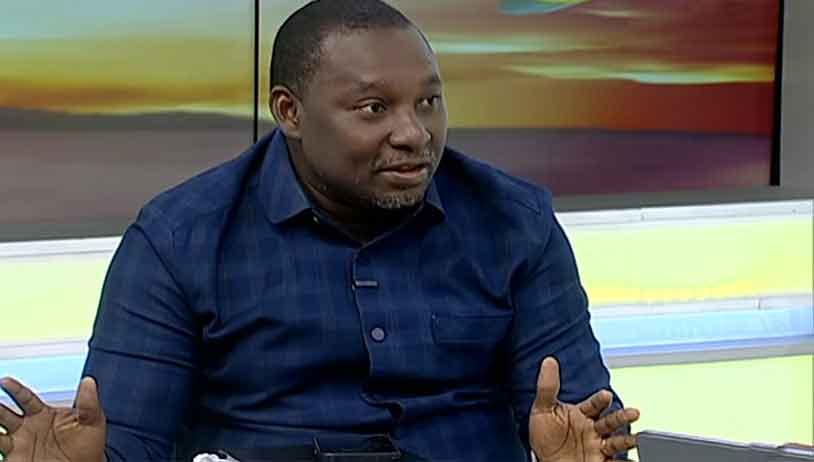
Solomon Owusu has criticised proposals to deploy hundreds of additional public buses to ease commuter hardships, describing the approach as ineffective and potentially corrupt.
Speaking during a radio discussion, Owusu argued that the intervention being advanced by the Vice President would not address the root causes of congestion and could worsen traffic conditions. He dismissed claims that the problem stems from an acute shortage of buses, insisting that increasing fleet numbers alone would merely intensify pressure on already congested routes.
According to Owusu, most commuter traffic flows towards a single central business district each morning, meaning that adding more buses would funnel additional vehicles into the same corridors. He said this would lead to longer travel times, buses getting trapped in traffic, and extended queues at trotro stations, as vehicles take hours to offload passengers and return.
Owusu also raised concerns about governance, alleging that large-scale bus procurement could become “an avenue for chop chop”, suggesting heightened risks of corruption within the system. He maintained that buses currently in operation have not disappeared, but are immobilised by traffic congestion rather than fleet depletion.
As an alternative, Owusu called for the revival of rail transport to work alongside road networks, arguing that an efficient rail system would attract commuters from outlying areas such as Amasaman and significantly reduce pressure on roads.
While acknowledging the need for interim measures, Owusu insisted that sustainable transport solutions, rather than short-term bus expansion, are required to resolve Ghana’s public transport challenges.