

New Patriotic Party (NPP) has offered a guarded response to mounting fallout from the National Democratic Congress (NDC) parliamentary primaries in Ayawaso East, as allegations of vote buying trigger investigations, political recalls and calls to annul the poll.
The controversy erupted after Baba Jamal Mohammed Ahmed emerged winner of the NDC primaries held on Saturday to select a candidate for the March 3 by-election. In the days that followed, President John Dramani Mahama recalled Baba Jamal from his post as Ghana’s High Commissioner to Nigeria, while the NDC established a committee to probe alleged electoral misconduct.
Adding to the pressure, the NDC’s majority caucus in Parliament has called for the primary election to be annulled entirely, citing concerns about vote buying and its implications for internal party democracy.
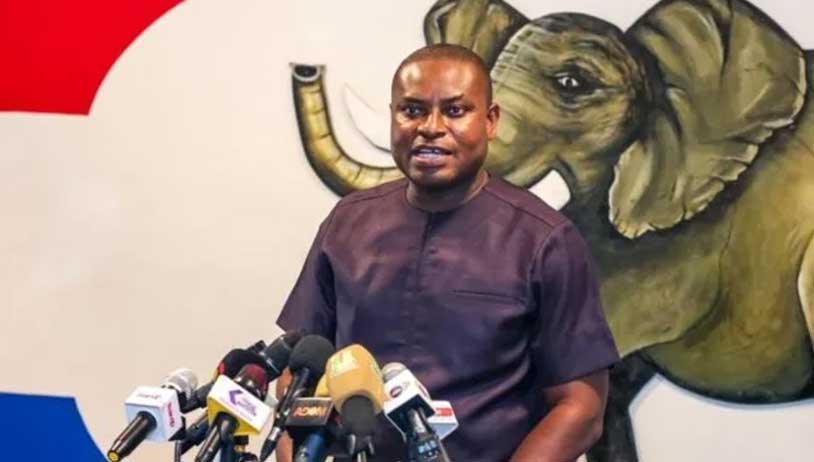
Speaking to Channel One News, NPP Director of Communications Richard Ahiagbah described the developments as a “mixed reaction,” arguing that the alleged acts were too blatant to ignore. He said vote buying undermines democracy by weakening the power of citizens to freely choose their representatives.
“It distorts democracy and minimises citizen power,” Ahiagbah said, adding that the issue goes beyond party politics and must be addressed collectively.
While welcoming the Office of the Special Prosecutor’s (OSP) decision to investigate the matter, Ahiagbah cautioned against premature optimism. He noted that similar probes in the past have failed to produce decisive outcomes, tempering expectations that the current investigation would necessarily result in sanctions.
Ahiagbah also dismissed the recall of Baba Jamal as largely symbolic, arguing that the move amounted to “political optics.” He suggested that Baba Jamal would likely have resigned anyway after winning the primary, making the recall “much ado about nothing.”
However, he said the parliamentary majority’s call to annul the election was more significant and potentially far-reaching. According to Ahiagbah, annulling the poll and barring individuals found culpable from future primaries would send a stronger deterrent message.
“That is more punitive and forward-looking,” he said, adding that such measures could set a precedent and help curb vote buying in future contests.
The unfolding situation has reignited broader concerns about political accountability, with Ahiagbah warning that repeated scandals risk eroding public confidence in Ghana’s political class barely a year into a new administration. He urged the OSP to pursue the case rigorously to restore trust and protect the integrity of elections.
The OSP has confirmed it is investigating allegations linked to both the Ayawaso East primaries and recent presidential primaries, as scrutiny over internal party elections intensifies nationwide.