

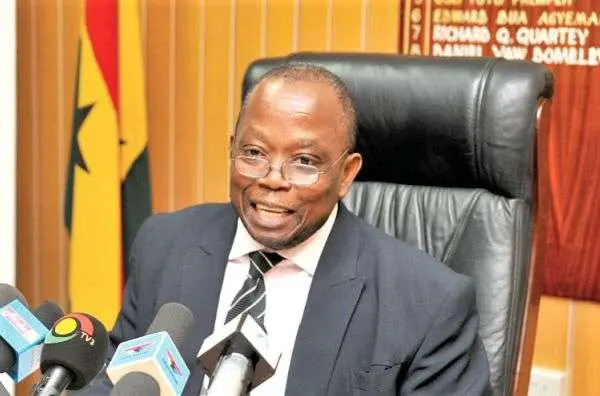
Former Auditor-General and EOCO Board Chair Daniel Yao Domelevo has offered fresh insight into the mandate and early work of Operation Recover All Loot (ORAL), stressing that the initiative was primarily designed to receive and assess public complaints for possible investigation and prosecution.
Speaking in an interview on ChannelOne TV, Mr Domelevo said the ORAL committee received more than 2,000 complaints from the public. He noted, however, that a significant number lacked merit. “Many were simply political or personal grievances without evidence of wrongdoing,” he said, adding that such submissions were discarded. Only cases that, on the face of the evidence, appeared capable of investigation were forwarded to the Attorney-General.
Mr Domelevo emphasised that while ORAL has been framed largely around asset recovery, accountability must go beyond merely reclaiming stolen funds. He recalled campaign pledges by the National Democratic Congress to both recover stolen state resources and prosecute offenders. In his view, recovering exactly what was taken is insufficient.
“If someone takes 10 million and we recover 10 million, that person should not walk free,” he said, arguing for additional financial penalties as a deterrent, even as he expressed reservations about custodial sentences. He maintained that offenders should repay more than they took to discourage future abuse of public office.
According to Mr Domelevo, achieving this goal requires changes to Ghana’s current legal framework. He said stronger asset declaration laws and clearer consequences for unexplained wealth would send a powerful signal that corruption will no longer be tolerated.
Ultimately, he argued, preventing looting through robust laws and deterrence is more important than recovery alone, urging government to prioritise legal reforms to safeguard public resources.