

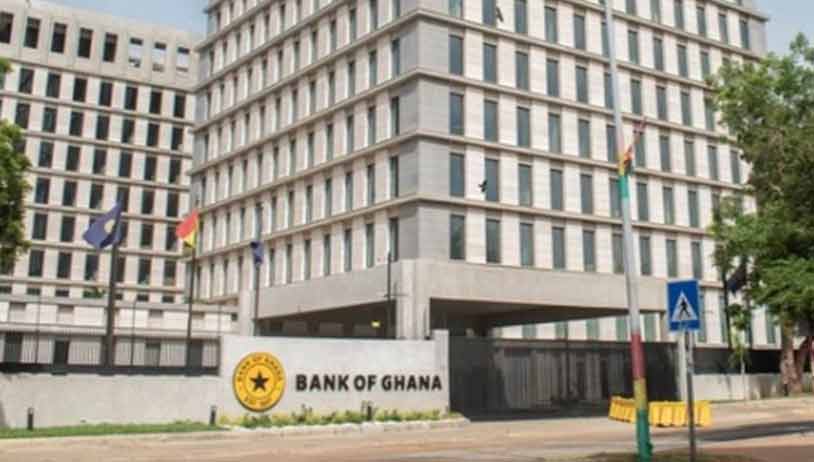
The Bank of Ghana is facing growing pressure to further reduce its policy rate ahead of its scheduled March Monetary Policy Committee meeting, following a faster-than-expected slowdown in inflation.
Data for January show inflation easing sharply to 3.8 per cent, significantly below levels anticipated in the central bank’s internal projections. According to analysts familiar with the bank’s modelling, inflation forecasts for the first three quarters of the year have been a key driver of recent monetary policy decisions. However, the latest figures suggest price pressures are easing more rapidly than the bank had planned for.
The development has reopened debate over whether the central bank should convene an emergency meeting to cut the policy rate sooner, in order to narrow the widening gap between inflation and borrowing costs. Others argue the bank may prefer to wait until March and deliver a more substantial cut, though that approach carries risks.
There are indications inflation could fall further in coming months, potentially approaching one per cent by June, before edging up slightly later in the year while remaining within single-digit levels. The trajectory will be closely watched by markets and policymakers alike.