

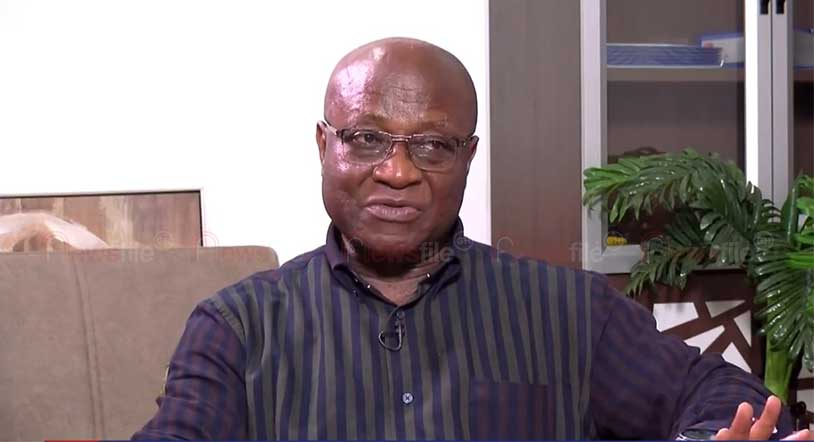
Veteran lawmaker Osei Kyei-Mensah-Bonsu has called for a complete separation between ministerial appointments and parliamentary membership, arguing that the current system hampers effective governance and slows national development.
In an exclusive interview, the former Majority Leader of Parliament of Ghana said Ghana’s hybrid political arrangement allows presidents to appoint ministers both from within and outside parliament, but warned that the practice often leads to unsuitable selections for critical portfolios.
He contrasted the arrangement with presidential systems where ministers are typically chosen from outside the legislature and are selected primarily for their technical expertise. According to him, such technocratic appointments strengthen policy formulation and governance outcomes.
“In a presidential system, ministers are appointed from outside parliament and they are specialists who add value to governance,” he said. “Here, you sometimes have ministers appointed who are not specialists and may not even have served on a relevant parliamentary committee before.”
He criticised situations in which nominees appearing before the Appointments Committee admit they lack knowledge about their designated sectors and intend to learn on the job. He questioned how such individuals could effectively advise the president or contribute meaningfully to policy development, as required by the constitution.
“If someone says they are not yet familiar with the sector but will learn after assuming office, how can that person assist the president in evolving sound policies?” he asked.
Kyei-Mensah-Bonsu argued that the overlap between legislative and executive roles also affects parliamentary performance. He said some individuals seek election to parliament primarily as a pathway to ministerial office rather than to serve as legislators.
“Many people now come to parliament using it as a springboard to be made ministers,” he said. “If they are not appointed, they more or less withdraw from parliamentary work, and that is not good for the development of parliament.”
He maintained that a clear institutional separation would strengthen both arms of government by allowing parliamentarians to focus fully on legislative duties while enabling presidents to appoint ministers strictly on competence and expertise.
The proposal adds to ongoing public debate in Ghana over constitutional reforms aimed at improving governance efficiency, accountability and economic progress. Analysts say any such change would require broad political consensus and potentially a national referendum, given the constitutional implications.