
The government has defended its record on cost-cutting and public expenditure restraint, insisting that substantial savings have been achieved through a leaner administration, even though precise figures are still being consolidated.
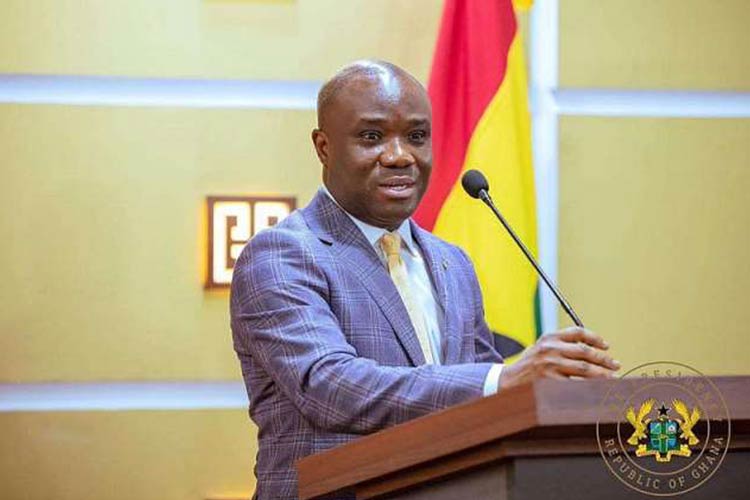
The explanation was given by the Minister in charge of Government Communication, Hon. Felix Kwakye Ofosu, during the latest Government Accountability Series, where journalists questioned officials on governance, fiscal discipline and national priorities.
Responding to a question from Akosua, a reporter with City FM and Channel One TV, Kwakye Ofosu was asked to provide specific figures on how much the government had saved after previously indicating that about GH¢400 million had been conserved through expenditure cuts at the presidency and broader restructuring efforts during the first quarter of 2025.
The minister said he did not recall assigning a definitive figure to the total savings but stressed that the scale of reductions made it “beyond dispute” that government expenditure had been significantly reduced.
He pointed to the sharp reduction in the size of government as a key driver of the savings. According to him, a previous administration at one point operated with about 125 ministers and deputy ministers, compared with the current administration’s 58, a figure that would have been 60 but for a fatal national tragedy in August.
Hon. Kwakye Ofosu explained that the cost implications of maintaining a large ministerial team were substantial, citing the benefits and entitlements attached to each appointment. These include duty-post vehicles such as a four-wheel drive Land Cruiser and a saloon car, accommodation either through refurbished government bungalows or rent allowances pegged at 20 per cent of basic salary, weekly fuel allocations, consolidated salaries, travel costs and, previously, ex gratia payments.
“At current market rates, a standard Land Cruiser suitable for a minister costs about US$120,000, while a saloon car ranges between US$50,000 and US$60,000,” he said. By reducing the number of ministers by about 65, government avoided purchasing dozens of such vehicles, refurbishing additional bungalows, paying rent allowances, fuel costs, salaries and eventual ex gratia payments.
“When you put all of that together, you are talking about tens of millions of Ghana cedis, and that is just for ministers alone,” the minister said.
He added that further savings had been realised at the Office of the President, where political staffing levels were previously much higher. At one point, he said, the presidency had as many as 361 political staff, including presidential staffers whose conditions of service were equivalent to those of ministers, presidential aides comparable to deputy ministers, and other political and advisory staff.
Each category, Hon. Kwakye Ofosu noted, came with similar benefits, including vehicles, accommodation, fuel and allowances, significantly increasing the cost burden on the state.
“Once you reduce the number of people, you automatically reduce the number of vehicles, houses, fuel allocations, salaries and end-of-service benefits the state has to pay for,” he said.
Although he acknowledged that a comprehensive monetary breakdown was yet to be published, Kwakye Ofosu maintained that the savings were “colossal” and visible from the structure of government alone.
“The reality is simple,” he said. “We have fewer people in government today than we did under the previous administration, and that has resulted in significant savings. That fact must be placed on record.”
The minister added that government remained committed to fiscal discipline and prudent use of public resources, with ongoing efforts to streamline operations and reduce waste across the public sector.