
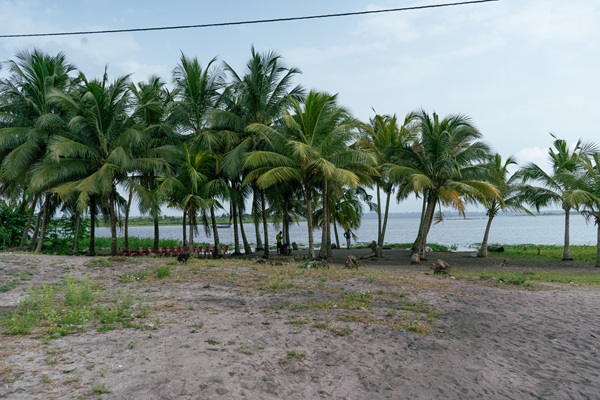
ActionAid Ghana has raised concerns over the escalating impact of coastal pollution and climate change on vulnerable communities, calling for an urgent action.
The non-governmental organisation is, therefore, leveraging on the Improved Resilience of Coastal Communities (IRCC) Project, funded by the Adaptation Fund, to spotlight the growing crisis unfolding.
“From Ada to Anloga, we are witnessing increasingly severe flooding, widespread plastic pollution, and rapid ecosystem degradation,” ActionAid Ghana said in a statement to mark Earth Day 2026 on Wednesday.
“These conditions are not only destroying livelihoods but are also placing significant strain on local governance systems and public health infrastructure.”
It said through its assessment it has identified a clear and direct link between poor waste management and rising climate vulnerability.
“Clogged drainage systems and unmanaged plastic waste are intensifying flood risks and accelerating the
destruction of critical ecosystems, including wetlands and mangroves.”
ActionAid Ghana also raised concerns about the deteriorating forest loss.
“Between 2020 and 2024, forest loss continued at an alarming pace, with 18,000 hectares of primary forest lost in 2022—a nearly 70% increase from the previous year and approximately 77,000 hectares of natural
forest lost in 2024 alone.
“Today, Ghana retains about 7.2 million hectares of natural forest, representing roughly 30% of its land area.”
It said the effect of these crises on women, children and persons with disability is most concerning “and we continue to advocate for inclusive, rights-based, and equity-driven responses at all levels”.
“We call on all stakeholders—government, private sector, civil society, communities, and the media—to take decisive action.
“We particularly urge the media to amplify this issue, sustain public engagement, and hold duty-bearers accountable for environmental governance and climate commitments.
“As Earth Day shines a global spotlight on our collective responsibility, we emphasise that the time to act is now. Sustained attention, collaboration, and accountability will be critical to protecting Ghana’s coastal future.”
.