

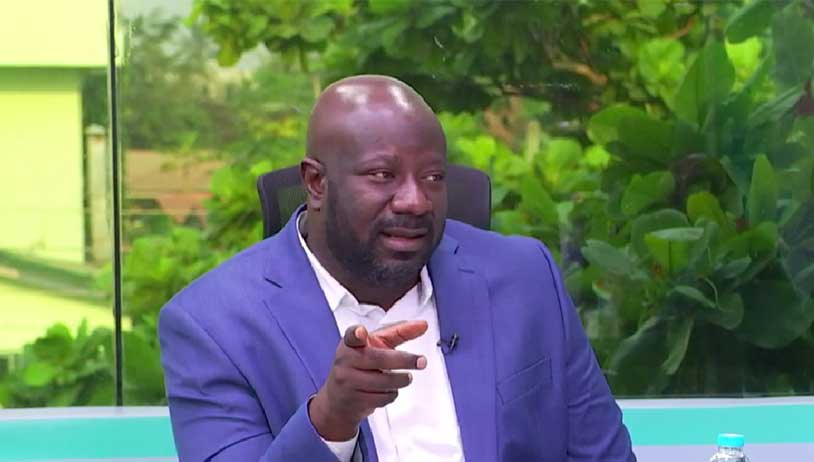
Former Anyaa–Sowutuom Member of Parliament Dr Dickson Adomako Kissi has reignited national debate over the calibre of Ghana’s lawmakers, arguing that Parliament cannot function effectively without minimum educational and intellectual standards for those elected to it.
Speaking on ChannelOne television programme #BreakfastDaily, the former legislator questioned how MPs who lack basic literacy and analytical capacity can meaningfully contribute to lawmaking and oversight. He called for stricter criteria in the selection and vetting of parliamentary candidates, describing the issue as central to improving the quality of governance.
Dr Adomako Kissi stressed that Parliament is a policy-making institution that demands critical thinking, comprehension and the ability to challenge authority. “If you cannot read or grasp policy issues, what is your business in a place where laws are made?” he asked, adding that weak legislative capacity ultimately undermines the quality of laws and public accountability.
He argued that Ghana’s current system allows individuals ill-equipped for legislative work to enter Parliament on both sides of the political divide. According to him, such MPs often struggle to contribute even at committee level, reducing Parliament to a rubber stamp rather than an effective check on executive power.
Drawing comparisons with other jurisdictions, Dr Adomako Kissi cited Singapore’s rigorous political vetting process, where aspiring leaders undergo extensive checks on education, intellectual capacity, business acumen and emotional intelligence before being cleared to contest. He suggested that a similar approach in Ghana would ensure that voters are presented with candidates who meet a basic threshold of competence.
The former MP also linked the debate to broader questions about internal party democracy and leadership selection, particularly ahead of upcoming party primaries. He noted that Ghana’s expanding delegate system, which now involves more than 200,000 voters in some party contests, has both advantages and risks. While broader participation may reduce manipulation, he warned it has also driven up campaign costs and intensified monetisation.
“In opposition, resources matter,” he said, pointing out that aspirants are now spending far more than in previous primaries. He argued that unchecked spending risks distorting internal democracy and called on aspirants to be realistic about their financial capacity before seeking high office.
Dr Adomako Kissi further suggested that vetting should go beyond education to include integrity checks such as drug testing, noting that such requirements are standard in many ordinary jobs. “How much more a state job?” he asked, warning of the dangers of having unfit individuals entrusted with national leadership.
While acknowledging that no political system is perfect, he maintained that raising standards for those allowed to contest elections would improve the quality of representation and legislative output. “I am more interested in how we vet those who stand,” he said, “so that the process produces capable people who can truly serve the nation.”
His remarks have added momentum to a growing public conversation on political reform, competence and the future effectiveness of Ghana’s Parliament.