
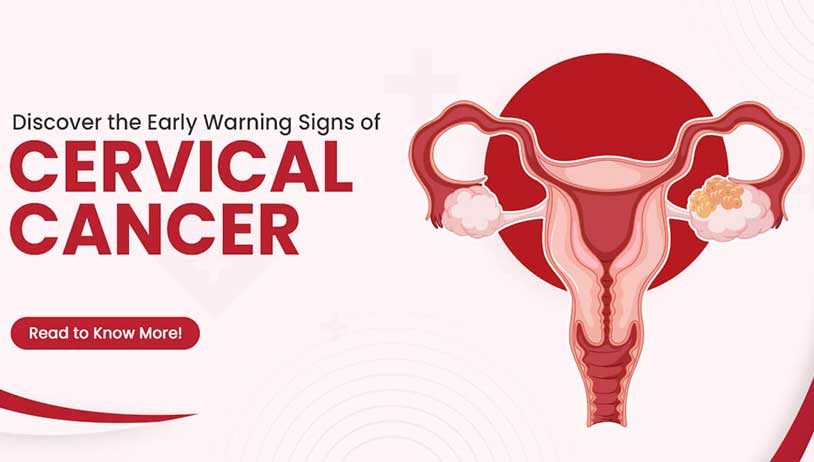
January is Cervical Cancer Awareness Month, and health professionals are renewing calls for early detection, vaccination and regular screening, stressing that cervical cancer remains one of the most preventable yet deadly cancers affecting women in Ghana.
Speaking on Breakfast Daily, family physicians Dr Nana A. Konadu Darko and Dr Anita Tibboh underscored that cervical cancer develops slowly and often without symptoms, making routine screening critical to saving lives. The disease, they said, is caused by abnormal cell changes on the cervix, the mouth of the womb, and is strongly linked to persistent infection with the human papillomavirus (HPV).
“Cervical cancer is the second leading cause of cancer-related deaths among women in Ghana, after breast cancer,” Dr Konadu Darko said. “What makes this particularly troubling is that it is largely preventable if detected early.”
Unlike many other cancers, cervical cancer has a clearly identified cause. Persistent infection with high-risk strains of HPV especially types 16 and 18 can lead to precancerous lesions that may develop into cancer if left untreated. Health experts say this process can take between 15 and 30 years, providing a wide window for screening and intervention.
“That long window means women actually have time to check and prevent the disease,” Dr Tibboh said. “But the challenge is that many women do not get screened, often because of fear, stigma or lack of information.”
Doctors explained that cervical cancer rarely presents symptoms in its early stages. When symptoms do appear, the disease may already be advanced. Warning signs can include pain during or after sexual intercourse, bleeding between menstrual periods or after sex, and unusual vaginal discharge that may be copious, foul-smelling or blood-stained.
“These symptoms can also be caused by infections, which is why any abnormal change should prompt a visit to a healthcare provider,” Dr Tibboh noted.
Health workers emphasised that screening is essential even for women who feel healthy. Ghana currently uses several screening methods, including visual inspection with acetic acid (VIA), Pap smears and HPV DNA testing. VIA, which involves applying diluted vinegar to the cervix to identify abnormal cells, is the most affordable option and is widely available.
“For women aged 30 and above, routine screening is recommended,” Dr Konadu Darko said. “Women with compromised immunity, particularly those living with HIV, should begin screening from age 25.”
When screening results are normal, VIA and Pap smears are typically repeated every three years, while HPV DNA testing allows for longer intervals of up to five years. Doctors advised women not to screen during menstruation and to avoid vaginal douching, creams or tampons before the test, as these can affect results.
Beyond screening, vaccination against HPV was highlighted as a powerful preventive tool. Ghana has rolled out a free HPV vaccination programme for girls aged nine to 14, before the onset of sexual activity, when the vaccine is most effective.
“The vaccine is the first line of defence,” Dr Tibboh said. “Girls who receive it before they become sexually active have the greatest protection.”
While the national programme currently targets girls, doctors noted that vaccinating boys, a practice adopted in many developed countries further reduces transmission. Women aged 15 to 25 can still receive the vaccine, though it is not free and must be paid for privately.
Health professionals stressed that vaccination does not eliminate the need for screening. Even vaccinated women should continue routine checks, as the vaccine does not protect against all HPV strains.
Cultural barriers and discomfort around gynaecological examinations continue to limit uptake of screening services. Doctors urged women to overcome anxiety and prioritise their health, noting that the brief discomfort of screening is outweighed by the benefits of early detection.
“When you relax, the procedure is bearable,” Dr Konadu Darko said. “Compared to the consequences of late-stage cervical cancer, screening is a small step that can save your life.”
Health advocates expressed optimism that with sustained education, vaccination and screening, Ghana can significantly reduce cervical cancer rates, citing countries such as Australia, which is on track to eliminate the disease as a public health problem.
“Cervical cancer is preventable,” Dr Tibboh said. “The message is simple: get vaccinated, get screened and encourage the women in your life to do the same.”