
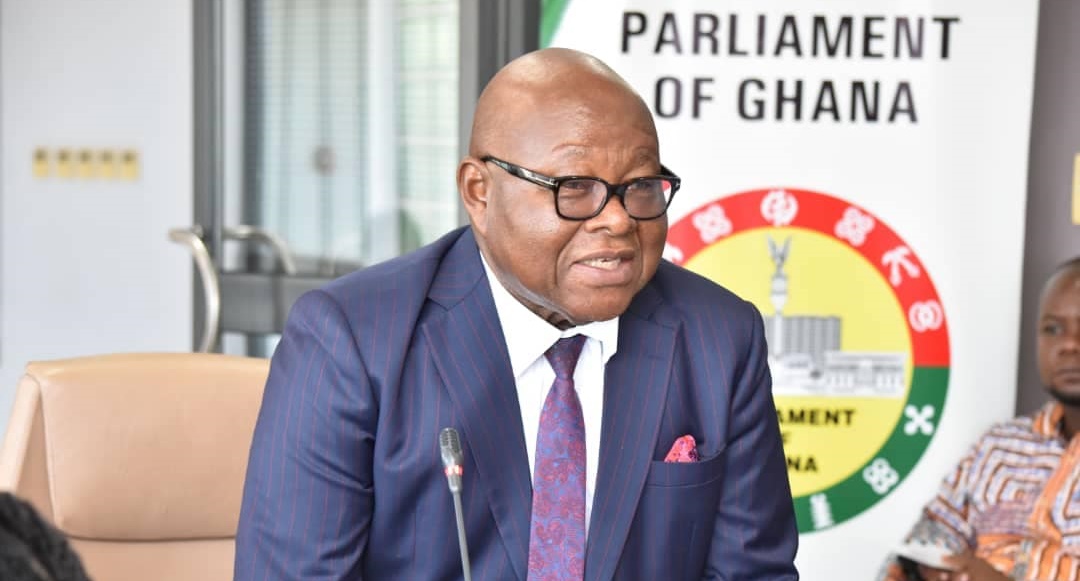
Former Speaker of Parliament Prof. Mike Oquaye has questioned Ghana’s system for appointing Inspectors General of Police (IGPs), warning that the routine replacement of security chiefs with every change of government is eroding public trust and weakening state institutions.
Prof Oquaye, a founding member of the New Patriotic Party (NPP), said the practice cuts across party lines and reflects a deeper structural problem rather than isolated leadership failures.
“How can there be trust when we as a people have made it a point that when a government goes, it goes with its IGP?” he asked. “I am not talking about one particular party. It affects both sides.”
He argued that the lack of constitutional provisions guaranteeing meritocracy and institutional independence has allowed political influence to dominate key security appointments. According to Prof. Oquaye, this has created what he described as a “systemic failure” that undermines professionalism within the police and other security services.
The former Speaker called on journalists, analysts and civil society to play a more active role in exposing these weaknesses and advancing reforms. He said sustained public scrutiny could help generate practical proposals on how such appointments should be managed to strengthen accountability and confidence.
“When institutions become strong and independent, the whole system becomes different,” Prof. Oquaye said, adding that fixed tenure for IGPs could help insulate the office from partisan politics and ensure continuity in leadership.
Prof. Oquaye also criticised the structure of the Council of State, which is constitutionally mandated to advise the president. He noted that while the council plays an advisory role, the president is allowed to appoint some of its members, even as presidents can also appoint an unlimited number of personal advisers.
“I am not speaking about any particular president,” he said. “I am talking about the position of president, and this has been the case under different governments.”
Drawing lessons from traditional governance, Oquaye said chieftaincy systems offer an alternative model of checks and balances. In such systems, chiefs do not select their own advisers, who instead exist independently and serve as a form of countervailing authority.
While acknowledging that leadership matters, Oquaye stressed that strong personalities alone cannot compensate for weak systems. He argued that lasting reform must come from working strictly within established rules and strengthening institutions to operate independently of political pressure.