
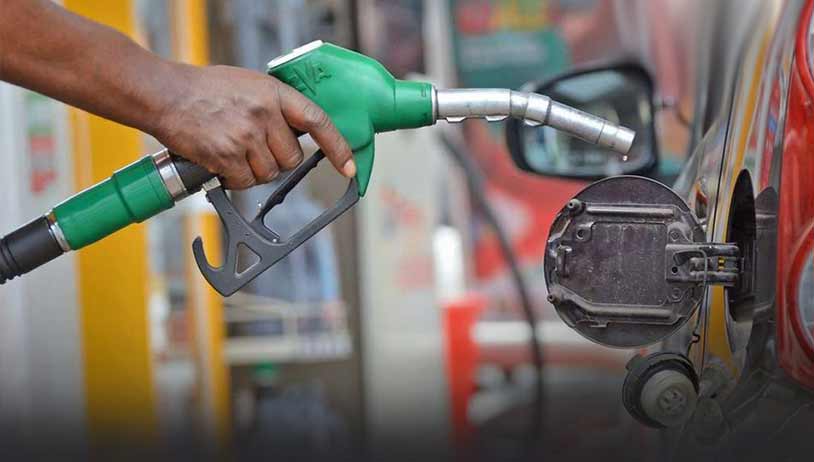
Think-tank Energy Consumer Watch Ghana has expressed concerns about the disparity between the revised fuel price benchmark by the National Petroleum Authority (NPA) and actual pump prices by oil-marketing companies (OMCs).
According the civil society organisation, most OMCs are selling fuel at higher prices without recourse to the NPA regulation.
“This situation raises serious concerns that the intended benefits of the NPA’s downward price review are not reaching consumers,” it said in a press release on Wednesday, July 1.
“Ghanaian motorists, transport operators, businesses, and households continue to bear a financial burden despite favourable market conditions that should have resulted in lower pump prices.”
It noted that the growing disparity is creating a perception that the OMCs are acting contrary to the spirit of regulatory framework.
“If this trend continues unchecked, it risks eroding public confidence in Ghana’s petroleum pricing system,” observed Energy Consumer Watch Ghana, recommending that Petrol needs to be sold at GH¢13.80 per litre while Diesel must sell at GH¢14.54 per litre.
“Our proposed prices demonstrate that fairness, commercial sustainability, and regulatory compliance can coexist.
“They reflect a balanced approach that respects the NPA’s pricing framework, promotes healthy competition, preserves reasonable margins for OMCs, and ensures that consumers are not subjected to excessive pump prices.”
The civil society group is, therefore, calling for an investigation into the pricing practices of OMCs, calling on them to also review their pricing “in line with the principles of fairness, transparency, and responsible market conduct”.
“Fuel prices directly affect transportation, food prices, inflation, business operations, and household incomes. Consumers deserve a pricing regime that is transparent, competitive, fair, and accountable.
“Energy Consumer Watch remains committed to advocating for policies that protect Ghanaian consumers and promote integrity, transparency, and accountability within the downstream petroleum sector.” concluded the press release signed by Head of Development and Consumer Unit at energy Consumer Watch Ghana Dr Kwesi Sey.