

Artists and performers are being urged to pay close attention to the terms of contracts they sign with record labels and management companies, particularly regarding copyright and exclusive economic rights.
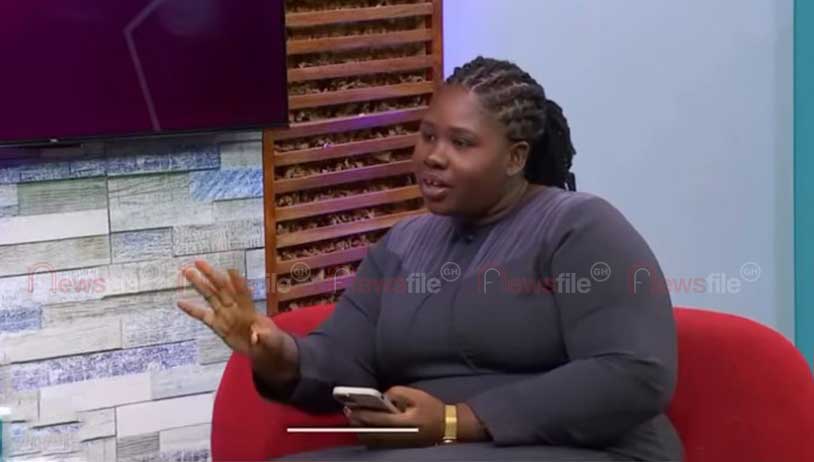
Speaking on ChannelOne TV’s The Chat, private legal practitioner Loretta Larbi explained that many artists unknowingly sign agreements that limit their control over works they helped create. “Firstly, the duration of the contract is critical,” Larbi said. “It cannot be in perpetuity. If a contract is forever, that essentially binds the artist indefinitely, which can feel like being enslaved.”
Lawyer Larbi highlighted the importance of the termination clause, which specifies the post-contract rights of the artist. “Once the contract ends, you need to know what rights you retain and what rights remain with the management,” she said.
Exclusive economic rights are another key area Larbi emphasised. These rights, provided for under Ghana’s Copyright Act, can be assigned to management or record labels. “If a management or record label commissions works with your image, voice, or artistic output, and they funded it, they may hold exclusive economic rights,” Larbi said. “Even after the contract ends, you may not own that work. You would need a licence or permission from them to use it.”
The lawyer added that the copyright for artistic works lasts for the lifetime of the author plus 70 years after their death. “So if you want to re-publish or perform commissioned works, you need express permission or a licence from the author,” she said.
During the discussion, the show’s host clarified, “So when exclusive economic rights belong to management, whether it’s my face, my voice, or my image, I must seek their permission before I use it?”
“Exactly,” Lawyer Larbi confirmed. “If your contract specifies that management owns the exclusive economic rights even after termination, you cannot independently use those works without their consent. Otherwise, you would need to create new works yourself to continue promoting projects.”
Lawyer Larbi also urged artists to scrutinise contracts for clauses that might give management control over commissioned content, especially in 360-degree deals, where the label funds multiple aspects of an artist’s career. She warned that such agreements could leave the artist dependent on management for licensing and usage of material they contributed to creating.
Experts say the lesson for emerging and established artists alike is to approach contracts carefully and seek legal advice before committing. “Understanding copyright, termination clauses, and exclusive rights is essential,” Larbi said. “It ensures artists retain control over their careers and avoid potential disputes over works they helped create.”
The discussion comes as Ghana’s creative industry grows rapidly, with more artists collaborating with labels, sponsors, and management companies. Legal practitioners say knowledge of intellectual property laws and careful contract negotiation is key to protecting both creative and financial interests.
In conclusion, Lawyer Larbi advised, “If you want to chart your own path as an artist, always know what rights you are giving away, and ensure you understand what permissions you need after a contract ends. This protects both your creativity and your career.”