
The Chief Executive Officer of the National Youth Authority (NYA), Osman Ayariga, has called for urgent legal and policy reforms to protect Ghana’s growing digital workforce, warning that thousands of young people earning livelihoods through digital platforms remain outside the country’s formal labour protection systems.
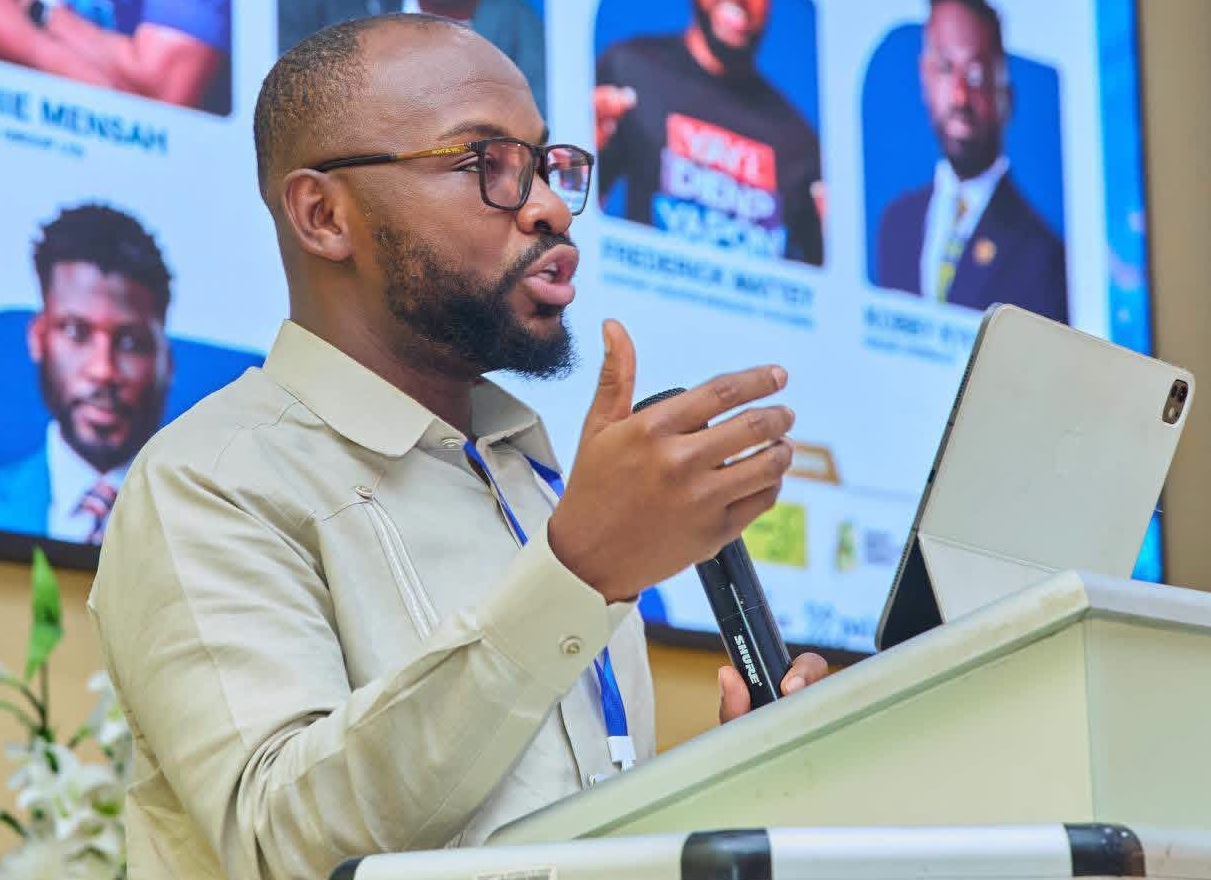
Speaking at the launch and maiden conference of the Labour Law Society of Ghana on the theme: ‘Navigating the Frontiers of Digital Labour in Ghana’, Mr Ayariga stressed that digital labour is no longer the future of work but a present reality for many Ghanaian youth.
Addressing policymakers, legal practitioners, academics, industry leaders and young digital workers at the conference, he noted that ride-hailing drivers, content creators, freelancers, software developers and online entrepreneurs are making significant contributions to the economy without access to pensions, health insurance or employment security.
He described the widening gap between modern forms of employment and existing labour regulations as a pressing challenge that requires immediate attention.
Mr Ayariga also highlighted the NYA’s efforts to equip young people with the skills needed to thrive in the digital economy.
According to him, the Authority has trained 3,000 young people in online marketing and digital entrepreneurship, with each beneficiary receiving a tablet to support their business activities.
He added that a further 300 youth have completed training in mobile application development, while 1,000 others are currently undergoing training in artificial intelligence and cybersecurity to position them for emerging opportunities in the global digital marketplace.
Calling for a coordinated response, Mr Ayariga urged the government, judiciary, private sector and development partners to create an environment that balances innovation with worker protection.
He advocated for inclusive labour laws, fair taxation for digital workers, improved access to finance and stronger safeguards against cybersecurity threats and mental health challenges.
“The future of work is digital. Ghana’s youth are already inhabitants of that future. Our collective obligation is to ensure that such a future is equitable, protected and replete with opportunity,” he said.